The simplest way to stay healthy during the holidays is to keep a few supportive habits consistent: move your body, drink water, build balanced meals, protect your sleep, and make time for the people and traditions you enjoy. You do not need a perfect routine, a restrictive holiday diet, or an all-or-nothing workout plan.
The holiday season can change everything at once: your schedule, meals, travel, sleep, social plans, and stress level. I have seen how quickly a routine can disappear when life gets busy. I have also learned that small choices are easier to repeat than dramatic resets.
If you have followed me for a while, you know I am a big believer in workouts you can do at home. Most of my own workouts have been home-based, and that flexibility can be especially helpful during the holidays. These are the seven realistic habits I return to when I want to feel strong, energized, and grounded without missing the season.
7 realistic tips to stay healthy during the holidays
1. Take a walk and count it as real movement
A walk is one of the easiest ways to keep moving when your normal routine changes. Try a brisk walk before guests arrive, after a meal, while you make a phone call, or with family members who want fresh air. If 30 minutes does not fit, take two or three shorter walks. It all counts.
For most adults, the Physical Activity Guidelines for Americans recommend 150 to 300 minutes of moderate aerobic activity each week, plus muscle-strengthening activity on at least two days. That is a weekly guide—not a reason to give up when one day gets busy. Start with what is realistic and build from there.
2. Hydrate throughout the day
Keep water visible and easy to reach. A glass in the morning can be a useful cue, but there is nothing magical about a specific time or adding lemon. The goal is steady hydration across the day, especially when you are traveling, exercising, drinking alcohol, or spending time in heated indoor spaces.
Plain water, sparkling water, and unsweetened drinks can all help. Individual needs vary, so use thirst, activity level, weather, and guidance from your healthcare professional rather than forcing a universal amount.
3. Keep an at-home workout option ready
You do not need a full gym session to maintain momentum. Save one short routine that requires little or no equipment: bodyweight squats, wall or floor push-ups, glute bridges, rows with a resistance band, and a short mobility sequence are practical options for many people.
Choose movements that match your current ability, space, and health needs. A planned 15- or 20-minute session is usually more useful than waiting for the “perfect” hour that never appears. If you need help choosing a realistic next step, explore Fit Lab wellness resources.
4. Use a balanced plate instead of skipping meals
Skipping meals to “save calories” for a party can leave you overly hungry and make it harder to notice fullness. A steadier approach is to eat regular meals and build your plate around foods that satisfy you.
When possible, include a protein source, vegetables or fruit, a carbohydrate you enjoy, and some healthy fat. At a holiday meal, choose the dishes that matter most to you, eat slowly, and give yourself permission to enjoy them. You do not need to earn food with exercise or punish yourself the next day.
5. Add colorful produce without labeling foods “good” or “bad”
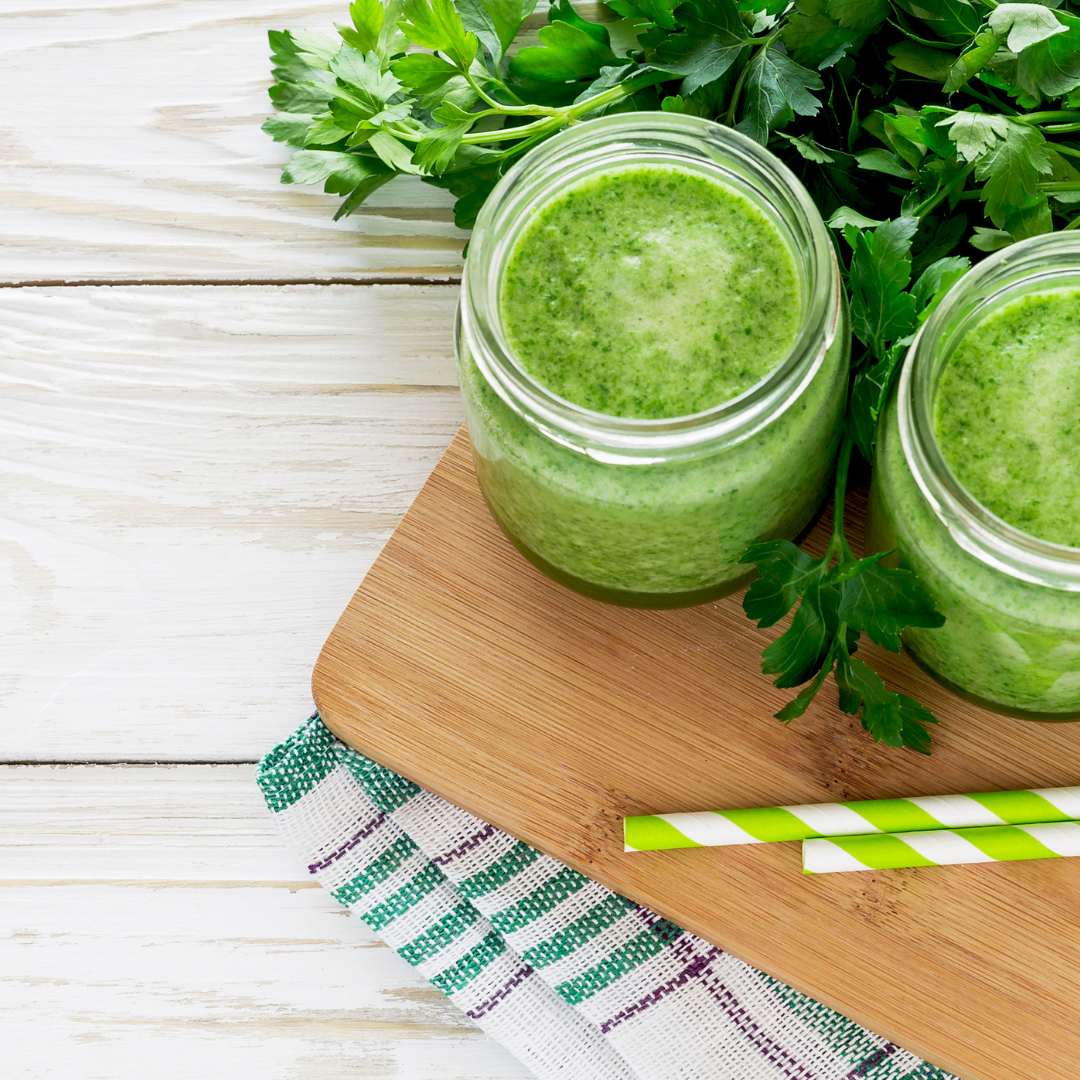
Vegetables and fruit bring fiber, vitamins, minerals, color, and texture to a meal. Add greens to an omelet, serve vegetables with a dip, include fruit at breakfast, or fill part of your dinner plate with a vegetable you genuinely like.
The goal is not to replace every traditional food. It is to add nourishment alongside the foods that make the holiday feel special. Whole foods should do most of this work; a greens powder is not a substitute for a varied eating pattern.
6. Include protein in meals and snacks
Protein supports muscle maintenance and can help make meals more satisfying. Practical choices include eggs, Greek yogurt, cottage cheese, fish, poultry, lean meat, tofu, beans, lentils, nuts, and seeds.
Try adding a protein source to breakfast and keeping an easy option available for busy afternoons. For a simple example, see this high-protein cottage cheese breakfast bowl. Your ideal intake depends on your body, activity, health, and goals, so personalized needs should be discussed with a qualified professional.
7. Protect your schedule—and leave room for recovery
Put your important habits on the calendar before the week fills up. Schedule a walk, a brief workout, grocery shopping, meal prep, and a reasonable bedtime. Just as importantly, leave open space for rest, family time, and unexpected changes.
I like to choose three daily anchors: one movement goal, one food or hydration goal, and one recovery goal. On a busy day, that might be a 20-minute walk, a balanced lunch, and turning off my phone before bed. Simple does not mean ineffective; simple means repeatable.
A simple holiday health plan you can start today
- Movement: Decide when you will walk or complete a short home workout.
- Meals: Choose one easy breakfast and one protein-rich snack to keep available.
- Hydration: Keep water where you can see it and drink regularly.
- Recovery: Set a realistic bedtime or a short wind-down routine.
- Mindset: Return to your next supportive choice instead of waiting for Monday or January.
Your routine does not have to look the same every day. A flexible plan can help you enjoy the season and return to your usual rhythm without guilt.
Frequently asked questions about staying healthy during the holidays
How can I stay healthy during the holidays without dieting?
Focus on habits rather than restriction: eat regular balanced meals, include foods you enjoy, move in ways that fit your schedule, hydrate, sleep, and return to your routine after special occasions. One meal does not define your health.
Should I skip meals before a holiday dinner?
For many people, skipping meals leads to intense hunger later. A normal breakfast and lunch—or a balanced snack before the event—can make it easier to eat mindfully and enjoy dinner comfortably.
What is the best holiday workout?
The best workout is one that is safe for you and realistic enough to complete. Walking, a brief full-body strength routine, a favorite class, or active time with family can all contribute to your weekly movement.
What should I do after overeating?
Avoid compensating with extreme restriction or punishing exercise. Resume your normal meals, hydrate, move gently if that feels good, and continue with your next planned habit. If eating or body-image concerns are causing distress, seek support from a qualified healthcare professional.
Enjoy the season and keep your foundation
The holidays can be joyful, emotional, busy, and unpredictable—sometimes all in the same day. You do not need to control every meal or complete every workout. Keep a few habits that help you feel like yourself, enjoy what matters, and begin again whenever your plan changes.
I am here to help you build a fitness and wellness approach that works in real life. You can subscribe to Melina Fitness updates for practical fitness, nutrition, and mindset guidance.
Xoxo,
Melina
This article provides general educational information and is not medical or individualized nutrition advice. Speak with a qualified healthcare professional about your personal needs, especially if you have a medical condition, are pregnant, or have a history of disordered eating.