Glutathione is a small molecule made from three amino acids that helps cells manage oxidative stress. The body produces it naturally, and researchers study its roles in antioxidant defense, enzyme activity, metabolism and immune function. Although these supplements are widely marketed, evidence for specific benefits varies by formulation, route, population and outcome.
What Is Glutathione?
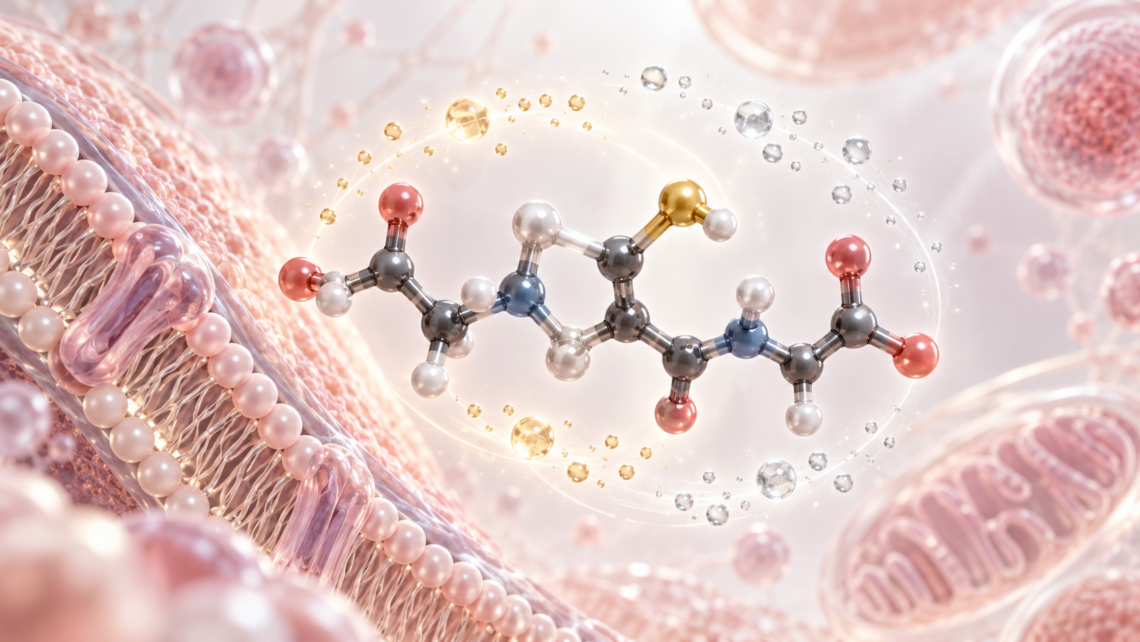
Glutathione is a naturally occurring tripeptide found in human cells and many other organisms. “Tripeptide” means it contains three amino-acid building blocks. Its unusual chemical bond and sulfur-containing cysteine group help it participate in reactions that protect and regulate cells.
This molecule exists throughout the body, with particularly important activity inside cells. The liver is central to GSH production and metabolism, but many tissues can synthesize it when the required amino acids and cellular resources are available.
What Does It Do in the Body?
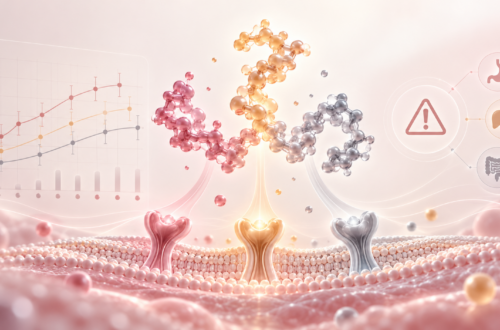
Glutathione helps maintain cellular redox balance. Redox balance describes how cells manage oxidation and reduction reactions. These reactions are normal parts of metabolism, but excessive reactive molecules can damage proteins, lipids and DNA.
It contributes to several connected processes:
- Antioxidant defense: it helps neutralize certain reactive compounds and supports antioxidant enzymes.
- Peroxide processing: glutathione peroxidase enzymes use GSH when reducing peroxides.
- Compound metabolism: GSH can bind to some substances, helping the body process and eliminate them.
- Protein regulation: this tripeptide participates in reactions that influence protein structure and cell signaling.
- Immune-cell function: adequate cellular redox balance supports normal immune activity.
These established biological roles are not the same as proof that supplementation prevents disease, improves athletic performance or produces a particular cosmetic result.
Reduced vs. Oxidized Glutathione
The molecule is commonly discussed in two forms:
- Reduced glutathione (GSH) can donate electrons during antioxidant reactions.
- Oxidized form (GSSG) appears when two GSH molecules become linked after oxidation.
Cells use enzymes and cellular energy to recycle the oxidized form back into GSH. Researchers often examine the relationship between GSH and GSSG as one indicator of cellular redox status, but a single measurement does not independently diagnose a health condition.
Is This Molecule a Peptide?
Yes. Glutathione is a tripeptide, but it is not the same as a therapeutic peptide drug. It contains three amino acids, while many signaling peptides and peptide medicines contain longer sequences and work through different mechanisms.
This distinction matters because the word “peptide” does not establish that a product is approved, effective or suitable for a person. Product quality, intended use, route of administration and regulatory status must each be evaluated separately.
Can Food or Supplements Increase Glutathione?
The body makes GSH from amino acids obtained through normal metabolism and diet. Foods do not need to contain intact GSH to supply the nutrients used in its synthesis. Overall dietary adequacy, health status and metabolic demand can all influence this antioxidant system.
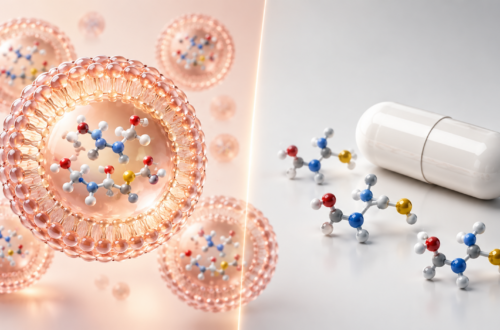
Research on oral GSH supplements is mixed. A four-week randomized trial in healthy adults found no significant change in measured oxidative-stress biomarkers. A separate six-month randomized trial reported increases in GSH stores in several tissues and blood components. Differences in study duration, dose, formulation, sample size and laboratory methods may help explain the inconsistent findings.
Even when a study shows a change in GSH concentration, that result does not automatically prove a meaningful improvement in symptoms, disease risk, longevity or performance.
What Claims Need More Evidence?
The molecule is frequently promoted for “detox,” immune support, anti-aging, exercise recovery and skin lightening. Some of these claims begin with plausible biological mechanisms, but broad marketing language often goes beyond what human clinical evidence can establish.
- “Detox” claims: GSH participates in normal metabolism, but vague detox promises rarely define a measurable outcome.
- Immune claims: GSH is involved in immune-cell biology, yet supplementation is not proven to prevent or treat every infection.
- Performance claims: evidence is not sufficient to promise better workouts, faster recovery or greater fat loss.
- Skin-lightening claims: the FDA has described evidence as limited and inconsistent, particularly for compounded or injectable use.
What Should Consumers Know About Injectable Glutathione?
The injectable route carries different risks from an oral dietary supplement. In August 2026, the FDA warned compounders not to use dietary-supplement-grade material in injectable drugs after reports of adverse events associated with excessive endotoxin exposure. Additional compounded products were recalled in October 2026.
Consumers should not assume that an injectable product is sterile, approved or appropriate because it is offered by a wellness business or described as “medical grade.” Decisions about injections belong with a licensed healthcare professional using appropriately regulated products and sources.
Frequently Asked Questions About Glutathione
What is glutathione made of?
Glutathione is made from glutamate, cysteine and glycine. Its cysteine component provides the sulfur-containing group involved in many redox reactions.
Is GSH an antioxidant?
Yes. GSH is an important part of the body’s antioxidant network. It works with enzymes and other molecules rather than acting as a standalone shield against every type of cellular damage.
Do glutathione supplements work?
Some studies report changes in GSH levels, while others do not. Results depend on the formulation, duration, population and outcome measured. Evidence does not support universal benefit claims.
Is it FDA-approved for anti-aging or skin lightening?
No product should be assumed FDA-approved for those uses. Dietary supplements are regulated differently from approved medicines, and compounded injections have additional quality and safety concerns.
Can supplements replace medical treatment?
No. These supplements should not replace diagnosis, treatment or monitoring from a qualified healthcare professional.
The Bottom Line
It is a biologically important tripeptide with well-established roles in cellular redox balance. Supplement research is still more nuanced than many marketing claims suggest. Evaluate the product form, evidence, quality and intended use separately, and seek professional guidance before using a supplement for a health condition.
For more evidence-aware wellness education, explore Fit Lab and the latest Melina Fitness articles.
Medical disclaimer: This article is for general education only and is not medical advice, diagnosis or treatment. Speak with a licensed healthcare professional about personal health decisions.
Last reviewed: October 25, 2026.